

Can Bed Bugs Live Inside Walls: Detecting Hidden Infestations
One of the most irritating and nagging domestic pests is the bed bug. Most people may relate them to residing in mattresses and furniture, but most homeowners would pose a good question: can bed bugs live inside walls? The best answer is yes! Bed bugs are fond of thriving in the dark and dark spaces. Walls offer an ideal environment to live them easily away from the human eye. This guide explains in detail about bed bugs living inside walls and how you can detect them early for quick elimination.
Can Bed Bugs Actually Live Walls? Explained
Yes, bed bugs may live even within the walls, but in a totally different manner. They do not drill through or chew the wood or drywall. Instead, they conceal themselves in small cracks, holes and empty spaces in the wall areas. Typical concealment areas are electrical outlets, baseboards, drywall junctions and loose wallpaper.
Walls also help the bed bugs in moving between rooms of the apartments, hotels, and shared buildings. Thus, the spaces along the walls near the bed, sofa, and headboard are more prone to attack. This requires inspection of walls, a significant aspect of effective bed bug removal Brampton.
Why Are Walls Ideal Hiding Places for Bed Bugs?
Bed bugs prefer hiding in the walls since they are dark and warm, which are essential factors for the survival of bed bugs. The walls provide numerous safe hiding spots, which protect them against cleaning and pesticides due to the construction of the walls (studs, insulation, and voids). Bed bugs can reach human beings who are sleeping close to them, and they bite them at night and hide during the day.
After getting into wall cavities, they can stay undetected in a matter of weeks, thus making it very difficult to trace. The capability to use such secure spaces permits the infestation to flourish. This makes them challenging to eliminate, which makes the issue of bed bugs in residences and buildings so enduring.
Different Ways Bed Bugs Get Inside the Walls
Hitchhiking on Furniture and Belongings
Bed bugs tend to infest the walls by crawling on used furniture, mattresses or boxes. After these contaminated products are taken indoors, the insects may creep into minute crevices in the walls. They are so small that they can easily conceal themselves; thus, early detection is challenging.
Movement Through Cracks and Crevices
Bed bugs can squeeze in small holes, such as cracks in drywall, baseboards, and electrical sockets. Such insects take advantage of structural loopholes to access different rooms or apartments. Older walls may appear hermetic. However, their appearance is suitable as an access point to the interior of the wall-beds.
Migration from Adjacent Infested Areas
Bed bugs may spread in multi-unit buildings via common walls, plumbing or ventilation pipes. The infestations in the adjacent apartments or rooms tend to be spread without notice. The presence of warmth and carbon dioxide guides their movement. This is how they creep into walls to find new places of hiding without letting anybody notice them.
Transport via Clothing or Personal Items
Bed bugs easily attach themselves to the clothing, backpacks, or luggage that one brings home. Once in, they can creep into the holes in the walls, particularly around sleeping quarters. Even the short-term exposure in areas that are infested can enable such pests to penetrate walls and start new infestations undetected.
Common Signs of Bed Bugs Living Inside Walls
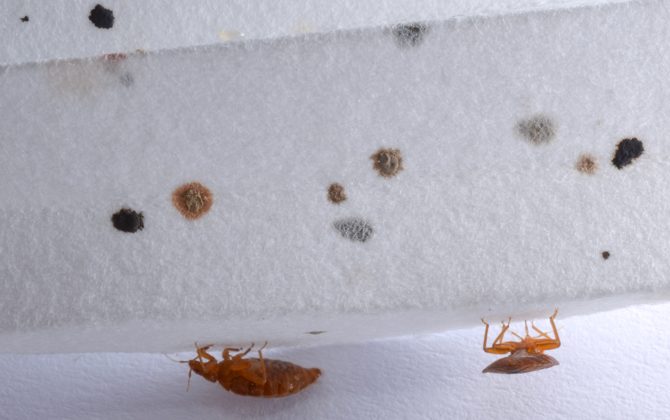
Bed bugs that are found in interior walls may be difficult to identify. The typical symptoms are tiny rusty or dark dots on the walls, baseboard or around an electrical outlet- such dots are fecal stains of bed bugs. Infested areas have a sweet, musty smell. In cracks or crevices, tiny, shed skins or eggs may be seen.
Even without the presence of bugs, residents may have unexplained bites, which may be in a line. There may also be noises which are an indicator of activity, like rustling or scratching in the walls during the night. Despite continued infestations, a crawling sensation on the skin or the aggravation of an allergy may appear.
Smart Ways to Inspect Walls for Bed Bugs Safely
Check Seams and Cracks with a Flashlight
Brighten a torch cautiously when following baseboards, wall seams and cracks or crevices. Bed bugs are not large and may be concealed in small cracks. Crawl and take care of dark spots, carpet edges, and behind molding because they are the habitats. This is a major tip to ensure quick bed bug control Mississauga.
Take Off Outlet Covers Cautiously
Always cut off power before taking the electrical outlet covers or switch plates. Examine the wall and edges of the bedroom, looking at the dark spots or small shells, which could be an indication of bed bugs. Check crevices with the tool and flashlight so as not to destroy wiring or the wall.
Check-Behind Wall-Mounted Decor
Bed bugs can be behind pictures, mirrors, shelves or even clocks mounted on the wall. These should be carefully taken off, and the back and the wall should be examined. Check cracks, nail holes and corners where insects can be. Never change without ensuring that the place is clean.
Search for Shed Skins or Dark Spotting
Bed bugs also leave deserted shells and dark feces impressions on walls, corners, and behind furniture. Look closely at all wall surfaces of these signs. Small portions can also be indicative of infestation. When necessary, use a magnifying glass and indicate suspicious areas to be observed or handled further.
Apply Sticky Monitors in and Around Baseboards
Install adhering or sticky monitors on the edge of the walls, baseboards, and close to furniture legs. These are instruments that capture bed bugs and give testimony of their existence. Periodically assess and document results. These monitors are an invasive, safe and non-invasive means of tracking the infestations.
Hidden Bed Bugs? Pest Expel Canada Has You Covered
If bed bugs are hiding inside your walls, don’t wait for the infestation to spread. Pest Expel Canada specializes in advanced bed bug detection and elimination, including hard-to-reach wall infestations. Our certified technicians use proven, safe, and effective treatments to eliminate bed bugs at the source. Protect your home, your health, and your peace of mind today.