
What Eats Rats: How Predators Help Control Rat Infestations
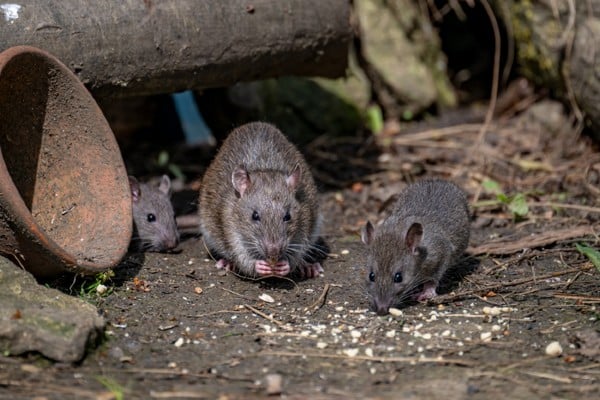
Rats are the most devastating urban and rural nuisances that spread diseases, destroy property and multiply at a very high rate. The knowledge of what eats rats can clarify how the natural population gets in control and in what way you can maintain ecological balance. Predators play a significant role in reducing the rat population, particularly in outdoor, farm, and semi-urban areas. Nevertheless, it is the combination of nature and predator pressure that is not often enough to resolve the infestations. This guide explains more about how predators help control rat infestations.
The Role of Predators in Rat Population Control
Rat predators are essential in ensuring that the population of these pests is in check. Rats multiply rapidly and tend to spread. Predators in the wild reduce their survival rates, destroy nests and force rats out of their habitats of safety. Problems with rats tend to be less problematic in areas where predators are present.
Hence, with the expansion of the cities, these natural controls tend to vanish. The result of this imbalance enables the rats to breed rapidly, leading to the destruction of property, food and health of the people. Natural predator for rat control Brampton contributes towards the reduction of long-term rat pressure safely and sustainably.
Different Types of Birds as Prey That Eat Rats
Owls
The owls are among the best hunters of rats, particularly at night. They fly silently and trap rats in farms, barns and the surrounding neighbourhoods. One barn owl can consume several rats during the night. Hence, this makes owls a natural and trustworthy solution to the reduction of the rat population, not by chemicals or traps.
Hawks and Eagles
During the day, the hawks and eagles attack the rats in the open places. Their high level of eyesight helps them in determining movements at a long distance. They cannot prevent breeding and spreading. Hence, they catch rats in fields and rural land. These birds promote a balance in nature and decrease the activities of rodents in broad outdoor areas.
Three Types of Mammalian Predators of Rats
Foxes and Coyotes
Coyotes and foxes hunt rats in case of low food supply or accessibility. They are on the farms, in parks and along the city boundaries. Hence, they naturally control numbers by feeding on rats. Their presence tends to reduce the activity of rats in places near the human settlement.
Domestic Cats
Cats are also hunters of rats, although they sometimes do not. There are those cats that arrive frequently, whereas some have no interest. Cats help alleviate minor rat issues around houses as well as storage facilities. Nonetheless, they alone cannot prevent large or rapid infestations.
Dogs
There are certain breeds of dogs who get the training to chase rats, as well as terriers. They are suitable for spaces such as farms or warehouses. Dogs can catch and scare away rats; nevertheless, they require training and monitoring. Hence, they should be used in a broader strategy for rat removal Vaughan.
Reptiles and Amphibians That Prey on Rats
Snakes
Rats are consumed by large snakes like pythons. They access burrows, walls and nests that are inaccessible to other predators. Snakes are best suited to rural and warm regions. Their hunting removes the need to use traps to control rats, particularly in areas with restricted human access. You can take more guidance on such animals by hiring expert services of rodent exterminator.
What Eats Rats: Common Facts You Should Know
Owls Are Efficient Nocturnal Rat Hunters
Hundreds of rats are eaten by barn owls and other night predators every year. They also use silent flight and outstanding night vision to find rodents in fields, farms as well as cities. This naturally regulates the population and endorses the local ecosystems.
Snakes Swallow Rats Whole with Ease
Pythons, rat snakes and cobras can eat bigger rats than their heads by dislocating the jaws. This adaptation provides successful hunting. This enables the sustainability of ecological balance in forests, grasslands, and the space near human habitation where rodents flourish.
Wild Mammals Hunt Rats Strategically for Food
Rats are common prey of foxes, weasels, raccoons, and coyotes. They hunt in pleasure through means of stealth, speed and intelligence to follow large numbers of rodents. Hence, they have been found returning to successful hunting places, thus exhibiting instincts of nature as predatory species in either rural or suburban settings.
Domestic Cats and Dogs Catch Rats
Cats hunt and kill rats naturally; other terrier dogs were bred to hunt rats. Such domestic predators help to decrease the number of rodents naturally and efficiently. They also apply the instincts of natural hunting and adapting to the farms, barns and urban settings.
Humans Influence Rat Populations Indirectly Too
Human beings manipulate rats either by killing them directly or indirectly by providing other predators, such as chickens or pigs. This demonstrates the place of rats in complex food webs and the way the human factor affects predator-prey interactions in cities and nature.
FAQs: Common Questions People Often Ask
1. What do animals feed on rats most?
Snakes, foxes, cats, dogs, and hawks are predators of rats that significantly reduce their population in the area surrounding farms, homes, and cities all over the world today.
2. Will predators help to eliminate rat infestations?
Predators by themselves are hardly sufficient to get rid of infestations. They add breeding pressure, supplement sanitation, trapping, and professional pest control methods to work successfully in the long term.
3. Do cats do well at domesticating rats?
Domestic cats hunt rats, but they are inconsistent hunters and must not be used instead of integrated rodent management programs, but safely and sustainably.
4. Do rats fear predators?
Rats fear predators but learn fast to evade them by hiding. They are accustomed to breeding highly within a short time, and changing the dynamics of their activities to surpass time-pertinent predation.
Take Control of Rats Today with Pest Expel Canada
Rats threaten health, property, and peace of mind across Canada. Pest Expel Canada delivers science-based rodent control that works alongside nature, not against it. Our licensed technicians inspect, exclude, and eliminate infestations using humane, practical solutions tailored to your property. Book your professional inspection now and reclaim your space safely with confidence.