
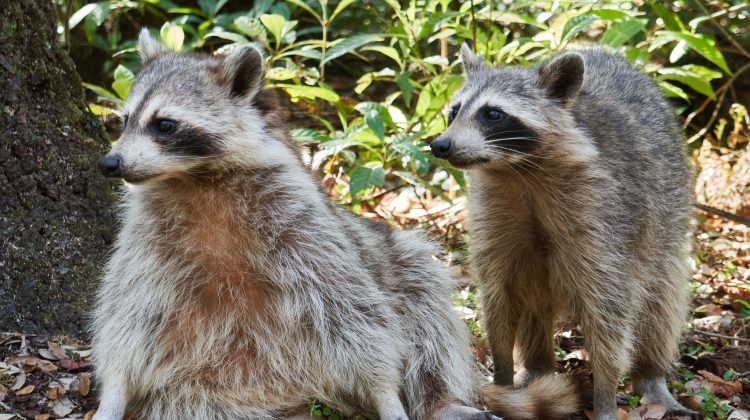
Are All Raccoons Aggressive?
Raccoons are not naturally aggressive toward people. In most situations, they are cautious animals that prefer to avoid human contact, but they can become defensive or unpredictable when threatened, cornered, or protecting food or young. For homeowners, understanding raccoon behavior is safer than approaching or attempting removal alone. Raccoons may enter attics, roofs, garages, sheds, and other sheltered spaces for food and shelter. This article explains about are all raccoons aggressive, key warning signs, safe responses, and when professional wildlife control is appropriate.
Are All Raccoons Aggressive? Reality Explained
The answer of are all raccoons aggressive is No! Not all raccoons are aggressive. The majority of them are timid, do not want to be around people, and flee when in danger. They often get aggressive if they feel any threats, or if someone roams around their nesting areas just for the sake of defending their young. Nevertheless, raccoons have the ability to transmit diseases, such as rabies, and hence they should be handled with care.
You may even have a raccoon which seems to be silent and act in an unpredictable manner when one comes near. Young raccoons are no exception in this respect as they are curious and unexperienced. The most appropriate way for raccoon removal Woodbridge is to keep a distance and never seek to touch, feed, trap a raccoon.
Major Warning Signs of an Aggressive Raccoon
Hissing, Growling or Snarling
Loud hissing, growling, snarling, or recurring sounds may indicate that a raccoon is threatened. These sounds are warnings not to come. If a raccoon approaches you with all such sounds, it is better to maintain a distance, and do not make sudden movements.
Charging or Chasing
The majority of raccoons like running away instead of pursuing humans. When one continuously advances toward you, charges, or pursues you, it can feel threatened or act abnormally. Go inside or behind a safe obstacle without making an issue of it.
Immediate Things to Do If a Raccoon Approaches You
When a raccoon comes towards you, do not panic, and neither run, or go up to it. Keep in mind to keep a few feet of distance and not to obstruct its escape path. Back away slowly turning sideways to the animal, with no abrupt movements. Bring inside pets as well as children. The raccoon must never be fed because it will attract them to humans once again.
As the animal is still approaching, go behind closed door, fence, vehicle, or any other solid barrier. Strike not, trap not, corner not. When the raccoon acts in an unusual manner, aggressively, or finds no possibility to leave the area safely, contact local experts of racoon control and removal.
Ways to Make Your Property Less Attractive to Raccoons
Secure Your Garbage
There is a strong link between raccoons and garbage cans. Raccoons are good at scavenging food and can easily learn about the food availability. Put rubbish in a tight-lid container. Do not leave loose litter lying about at night. Another way you can decrease attractive smells in the area is by washing your bins of food residue.
Remove Outdoor Food Sources
Raccoons are fond of pet food, bird food, fallen fruit, as well as leftover food. Feed pets that are kept indoors and clean up spilled bird food frequently. Get fallen fruit out of the yard and take ripe fruit off the trees so that you can make your yard less attractive.
Protect Your Garden
Gardens can provide an easy food supply of vegetables, fruits, insects, etc. to raccoons. Install fencing or suitable barriers to garden beds. It can also aid in mitigating the smell that will attract hungry raccoons by covering compost and removing withered plant material.
Block Access to Buildings
Raccoons may take shelter in attics, chimneys, sheds, or under garages as well as beneath decks. Check the premises to determine the availability of openings and close them with hardy materials. Always check, before an opening is closed, to make sure there are no raccoons trapped in or young animals.
Reduce Easy Water Access
Raccoons require water and can come to yards that have easy sources of water. Keep pet-water bowls out at night and cover ponds where feasible. Fix leaky outdoor faucets and eliminate containers that hold rainwater. These are some of the basic adjustments that will help you with immediate raccoon control and removal Brampton.
Surprising Facts About Raccoon Aggressive Behavior
Aggression Is Often Defensive
Raccoons can act aggressively for protecting itself. Defensive behavior can be aroused by cornering it or approaching or blocking its escape. Providing the animal space tends to be safer than attempting to confront, or run away.
Mothers Can Be Especially Protective
People or pets approaching the young of a mother raccoon can cause her to be defensive. Infant raccoons can be hidden in the attics, sheds, trees, as well as any other refuge. Keep out of the way of and do not touch young raccoons, even when they appear abandoned or helpless.
Daytime Activity Is Not Always Dangerous
Sighting a raccoon during daytime is not necessarily a good indication that it has rabies or is aggressive. Hence, they are mostly nocturnal and are therefore not expected to be seen during the day. Mothers can forage in the daytime, and the raccoons that get scared off by shelter can also be spotted on the move.
Food Can Change Their Behavior
Raccoons can get less scared of people because of frequent contact with human food. This does not necessarily make them friendly. On the contrary, they can be more confident approaching homes and, consequently, people. Always avoid feeding wild raccoons, even at a greater distance.
FAQs: Common Questions People Often Ask
1. Are raccoons dangerous to humans?
Raccoons pose a huge threat due to bites, scratches, contamination of properties, and exposure to disease. It is important to know what does raccoon feces look like to stop the transmit of diseases.
2. Should I approach a raccoon in my yard?
No, maintain a distance and do not approach, feed, corner, and touch raccoons, as scared animals can retaliate.
3. What should I do if a raccoon enters my attic?
Stay away. Keep pets and people away, do not approach the animal, and call qualified wildlife professionals to inspect and remove the animal safely.
Keep Raccoons Away and Your Property Protected
Don’t let an unexpected raccoon become a bigger safety or property problem. If raccoons are entering your attic, roof, garage, or yard, contact Pest Expel Canada for professional wildlife control. Their team can inspect the problem, provide humane removal, and recommend practical prevention steps for lasting protection.