
How to Identify a Wasp Nest
Wasp infestations can quickly turn from a small problem into a serious safety risk, especially during the summer season. Therefore, understanding how to identify a wasp nest is important for protecting your home, family, and outdoor spaces. Whether you spot increased wasp activity or see a hidden nest nearby, early removal and control will help prevent painful stings and structural damage to your property. Moreover, identifying the signs early allows you to take quick action and decrease the chances of a growing infestation.
How to spot a wasp nest in or around your property
Knowing how to identify a wasp nest starts with learning wasp behavior and understanding their nesting habits. Wasps are very territorial insects that make nests in quiet, hidden areas. Moreover, these nests can vary in size, shape, and location depending on the species. However, in many cases, homeowners only spot a nest once it has grown greatly. Therefore, this increases the risk of aggressive and painful attacks. By paying close attention to some common signs, you can identify a nest before it becomes a big problem.
Alternatively, when thinking of locating the wasp nest, one of the most clear signs is increased wasp activity in a certain area. Additionally, if you frequently see wasps flying in and out of the same spot, there is a strong chance that a nest is nearby. This could be under roof spaces, inside wall cavities, in attics, or even underground. Knowing the flight patterns during the daytime can also help you pick the exact location for effective wasp removal Richmond Hill.
Common types of wasp nests
Different species of wasps make different types of nests. Therefore, understanding these differences will help you know what you are dealing with and when to call in an expert wasp nest removal company:
Paper wasp nests
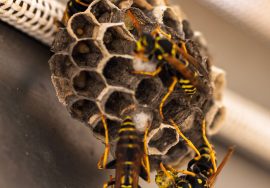
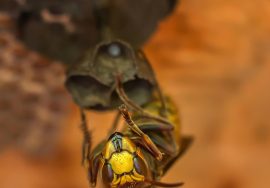
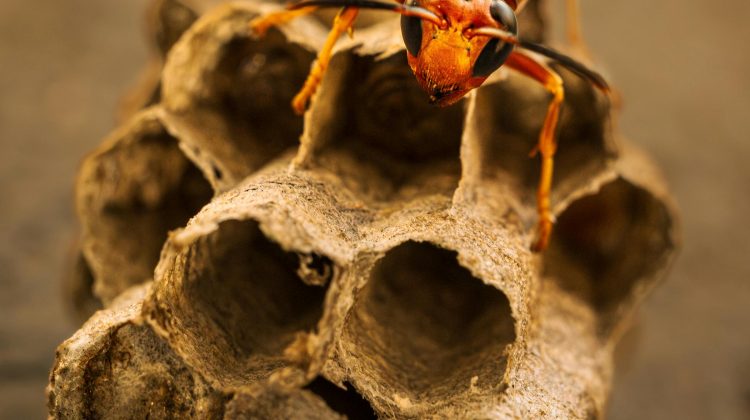
Paper wasps form umbrella shaped nests that are mostly attached to horizontal surfaces like ceilings or branches. Moreover, these nests are open and have noticeable hexagonal cells.
Yellow jacket nests
Yellow jackets commonly make nests underground or inside wall cavities. Additionally, their nests are closed and can grow very large, making them more dangerous due to their aggressive nature.
Hornet nests
Hornets make large, football shaped nests that hang from trees or structures. Moreover, these are made from a paper like material and can hold hundreds of wasps.
Key signs that point towards a wasp infestation
Spotting a wasp infestation is not always easy, especially if it is hidden. However, there are some clear signs to watch out for:
Increased wasp activity
Seeing more wasps than usual, especially around a specific area, is an important sign of infestation. Wasps are known to follow same flight paths to and from their nests.
Noticeable nest structure
Sometimes, nests are seen and easy to identify. Moreover, look out for grey or brown papery structures hanging from surfaces or hidden into corners.
Buzzing sounds from inside walls
If a nest is hidden inside your walls, you may hear a light buzzing noise. This is usually a sign of a growing colony.
Entry points around your home
Wasps commonly use small cracks, vents, or gaps to enter and leave their nests. Therefore, noticing regular activity around these openings is a big sign.
Conclusion: Help from the experts
Understanding how to locate a wasp nest is important, but removing it safely usually requires expert attention. Moreover, while early signs like increased wasp activity or visible nests can help you spot a problem, managing it on your own can be dangerous. This is due to the aggressive nature of these insects. Experts like those at Pest Expel Canada have the right knowledge, tools, and protective plans to deal with the situation without bringing harm. Furthermore, our team knows that trusting expert assistance not only ensures safe removal but also helps stop future problems. Therefore, keeping you safe and stress free.
Additionally, along with safe removal, experts can also help identify hidden nests that are not easily seen. This helps ensure that no part of the colony is left behind, decreasing the chances of re-infestation. We also offer preventive tips so you can make your property less attractive to wasps in the future. With the right support, you get a complete solution rather than just a short term fix.
FAQs: Commonly asked question
Wasps are known to be highly aggressive insects that can bring more harm than you think. Below are some common concerns homeowners face:
- How can I tell if there is a wasp nest near my home?
You can spot a wasp nest by noticing frequent activity around a specific area, usually where these insects fly in and out.
- Where do wasp usually hide their nest?
Wasps commonly make nests in roof spaces, wall cavities, under sheds, or even underground.
- Is it safe to remove a wasp nest on my own?
No, removing a wasp nest on your own is risky because they can get aggressive when disturbed and will attack you in groups causing multiple stings.